
My Take on Selling in Newer West Cary

Cary Park · Amberly · Copperleaf · Carpenter Village · Green Level · Weldon Ridge
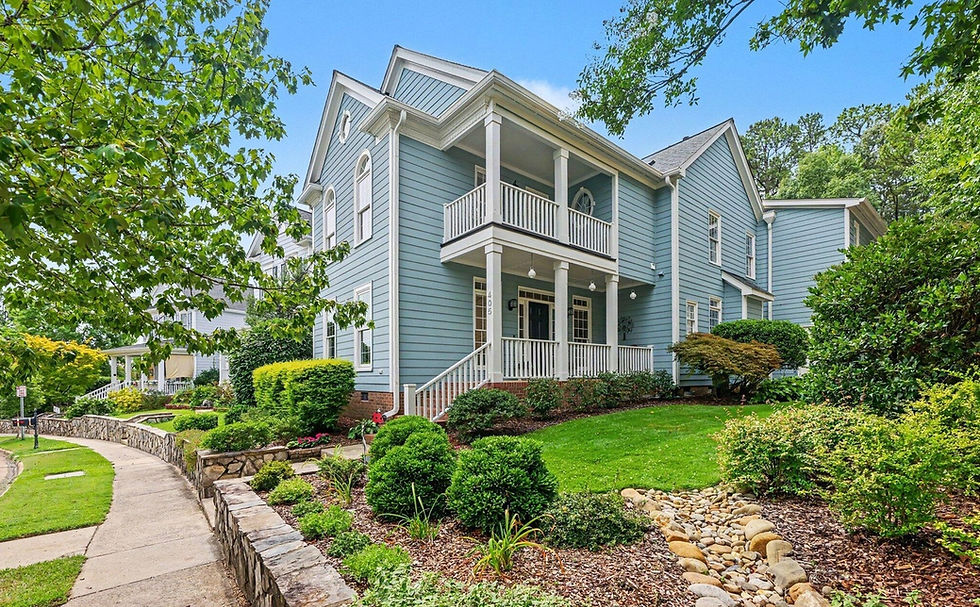
I’ve been selling homes across Cary and the Triangle for more than 14 years. One thing I tell West Cary sellers early in the process is this: the neighborhood name may attract buyers, but it will not sell the house by itself.
In neighborhoods such as Cary Park, Amberly, Copperleaf, Carpenter Village, Green Level and Weldon Ridge, buyers may find several homes built within a similar period, with comparable sizes, architectural styles and features.
They can tour five of those homes on a Saturday—and they notice every difference.
That is why I never rely on a neighborhood-wide average to price a newer West Cary home. I study the builder, floor plan, upgrades, condition, lot and current competition. Those details help determine where a home fits within its neighborhood and how buyers are likely to compare it with the other choices available that weekend.
Buyers Here Know Their Builders
West Cary buyers tend to do their homework. Many arrive with opinions about particular builders, floor plans and construction periods before they ever walk through the front door.
When I prepare a West Cary home for the market, I want to know:
Who built the home
The original floor-plan name
Which structural options were selected
Which finishes were upgraded during construction
What the owners improved after closing
Whether any warranties or transferable service plans remain
If you still have the original builder upgrade sheet, floor plans, warranty documents or closing package, find them. These materials can help me distinguish original builder upgrades from later improvements and answer buyers’ questions more clearly.
A long list of improvements is useful, but context matters. Buyers want to understand what was upgraded, when it was completed and how it affects the way the home functions today.
I Walk Through Your Home Like a Designer First
Before entering real estate, I studied interior architecture and worked in architecture in New York. That background still influences how I evaluate a home.
The first thing I notice is not simply the square footage. It is how the home lives.
Does the floor plan flow naturally? Is there enough light? Can buyers understand how each room should function? Does the kitchen connect well to the everyday living spaces? Are there areas that feel useful in person but may be confusing in photographs?
Here are several features I often see West Cary buyers valuing:
A bedroom and full bathroom on the main level for guests, aging parents or long-term flexibility
A dedicated office with a door rather than a desk placed in a hallway or open loft
A kitchen that connects naturally to the screened porch or backyard
A bonus room with a clear purpose
Good natural light throughout the main living areas
Practical storage, including a functional pantry, mudroom or drop zone
A layout that supports everyday life, not just impressive square footage
When a home has a particularly strong floor plan, I make sure buyers can understand it through the photography, listing copy and showing experience before they make an appointment.
When a floor plan has quirks, I use furniture placement, staging and clear marketing to help buyers see possibilities rather than unanswered questions.
The goal is not to disguise the home. It is to present it thoughtfully so buyers can understand how the space could work for them.
Finishes Are Where Buyers Compare Most
In newer West Cary homes, finishes can have an outsized effect on how buyers perceive value.
Buyers may tour two homes with nearly identical square footage and similar floor plans, but one feels more current because of its lighting, flooring, paint colors, cabinetry or bathroom finishes. They are often comparing your kitchen with the kitchen they saw an hour earlier.
That does not mean every seller needs to renovate.
Before recommending improvements, I look at what buyers will be comparing your home against and which changes are most likely to improve its presentation and marketability.
Depending on the home, that may include:
Replacing dated light fixtures
Applying fresh, neutral paint
Updating cabinet or door hardware
Refinishing worn hardwood floors
Replacing visibly tired carpet
Repairing small items buyers may interpret as deferred maintenance
Simplifying furniture and décor to improve the sense of space
Improving landscaping and the approach to the front entrance
I will not push you into a large remodel simply to make the home look more like another listing. Sometimes a kitchen renovation makes sense. Often, careful preparation, professional presentation and the right price accomplish more.
I also name meaningful upgrades in the listing rather than relying on vague phrases such as “beautifully updated.” Cabinetry, countertops, flooring, trim, lighting, appliances, bathrooms and outdoor improvements should be described clearly so buyers understand what sets the home apart.
Do Not Underestimate Your Lot
When nearby homes are similar, the lot can become one of the biggest factors separating them.
A home backing to trees may feel very different from the same floor plan backing to another house, a busy road or a future development parcel. A usable backyard, cul-de-sac position or additional privacy may influence what buyers are willing to pay.
Lot characteristics I evaluate include:
Privacy
Trees and natural buffers
Backyard usability
Slope and drainage
Cul-de-sac placement
Street traffic
Outdoor entertaining space
Proximity to community amenities
Nearby roads, utility infrastructure or commercial uses
What is located behind and beside the property
I have seen buyers pass on an otherwise beautiful home because the lot did not work for them. I have also seen buyers stretch their budget for a yard that felt private, practical and difficult to replace.
If the lot is one of your home’s strongest features, it deserves more than a passing mention. It should appear in the photography, listing description and showing experience.
Condition Still Matters in a Newer Home
Owners sometimes assume that because a home is relatively new, buyers will overlook normal wear. In practice, buyers often expect newer homes to feel especially well maintained.
Scuffed paint, worn carpet, damaged trim, aging caulk or neglected landscaping can stand out more when the home is surrounded by other relatively new properties.
Before listing, I separate preparation into three categories:
Repairs that should be addressed
Presentation improvements that may strengthen marketability
Optional projects that are unlikely to justify the time or expense
This helps sellers focus on the work that matters and avoid spending money on projects that buyers may not value.
A well-maintained home gives buyers confidence. It suggests that the visible finishes—and the less visible systems behind them—have been cared for.
Your Floor Plan May Matter More Than the Total Square Footage
Square footage is important, but buyers do not experience a home as one number.
Two 3,500-square-foot homes can function very differently. One may offer a main-level guest suite, private office, useful loft and strong indoor-outdoor connection. The other may devote more space to a two-story foyer, oversized bedrooms or areas without a clear purpose.
That is why I do not adjust value based on square footage alone.
I consider:
The number and placement of bedrooms
Main-level living options
Office privacy
Bonus-room usefulness
Kitchen and family-room flow
Storage
Natural light
Bathroom placement
Outdoor connections
Whether the layout supports multigenerational living
These differences are particularly important when selecting comparable sales. The closest home geographically is not always the most useful comparison if its floor plan serves a different type of buyer.
Who You Are Really Competing With
A seller’s competition is not limited to homes in the same subdivision.
Your real competition consists of the properties a qualified buyer could reasonably choose instead of yours. That may include homes in neighboring West Cary communities, nearby parts of Morrisville or Apex, and new construction farther west or south.
The competitive picture also changes depending on whether you are selling a single-family home or a townhome.
If You Own a Single-Family Home
Much of West Cary’s established single-family development is already built out, while many newer projects in and around the area emphasize townhomes or denser housing.
Buyers seeking brand-new detached homes may need to expand their search toward western Apex, New Hill, Chatham County or other developing areas. Not everyone wants to move farther from Cary, RTP, established shopping or the community connections they already have.
That can give a well-presented West Cary resale home several meaningful advantages:
An established neighborhood
Mature landscaping
A known commute pattern
Existing community amenities
Convenient access to Cary and RTP
No construction timeline
A completed home that buyers can evaluate in person
Improvements such as window treatments, fencing or outdoor living spaces that may already be installed
The marketing should explain these advantages without making the home sound dated compared with new construction.
If You Own a Townhome
Townhome sellers may face more direct competition from new-construction communities.
Builders can offer new finishes, warranties and financing incentives. Those incentives matter because they may reduce a buyer’s monthly payment or upfront costs even when the advertised price appears higher.
A resale townhome should be positioned around what new construction may not provide:
The home is available now
Buyers can see the actual home, view and lot position
Window treatments and appliances may already be included
Owner-installed upgrades are complete
The community is established
Landscaping and amenities can be evaluated as they currently exist
Buyers do not have to wait through a construction period
Pricing must account for builder incentives, not just the builder’s base price. I review what nearby communities are offering so we can compare the true buyer cost—not simply the number shown on a website.
Neighborhood Averages Do Not Tell the Whole Story
Online estimates and neighborhood averages can be useful starting points, but they rarely capture the differences that determine a specific home’s value.
Averages may combine:
Different builders
Different construction periods
Detached homes and townhomes
Interior and premium lots
Updated and mostly original homes
Homes with different floor-plan functionality
Properties sold under different market conditions
For a West Cary home, I prefer to build the pricing analysis from the property outward.
I begin with the home itself, identify the buyer most likely to value it and then study the most relevant recent sales, active listings and pending competition. I also consider withdrawn and expired listings because they can show what the market rejected.
The goal is not to find the highest number available. It is to identify a price that reflects the home’s real advantages while remaining credible to buyers who have been watching the market closely.
Presentation Has to Begin Online
Most buyers form an initial opinion before they arrive.
Photography, room order, listing copy, floor-plan information and the first image they see all shape whether the home feels worth a showing.
For newer West Cary listings, I focus on making the distinctions visible:
What makes the floor plan work
Which spaces receive the best natural light
How the kitchen connects to the living and outdoor areas
Whether the home offers a main-level bedroom or private office
What makes the lot special
Which upgrades are difficult or expensive to reproduce
How the home compares with nearby resale and new-construction options
A long feature list is not enough. Buyers need a clear reason to remember your home after touring several similar properties.
Let’s Talk About Your West Cary Home
If you are considering selling in Cary Park, Amberly, Copperleaf, Carpenter Village, Green Level, Weldon Ridge or another West Cary neighborhood, I would be happy to walk through your home and give you an honest assessment of where it fits in today’s market.
We can discuss its strongest features, likely competition, preparation priorities and a pricing strategy based on the property itself—not just a neighborhood average.
Emme Zheng · Broker-in-Charge and Co-Founder
Blue Orchid Realty · ABR® · SRS®
Bilingual service in English and Chinese
1221 Walnut Street, Cary, NC
Serving Cary and the greater Triangle


Comments